How to Choose a Gluten Free Flour Blend
Not sure which gluten free flour to use? Learn which flour blends work best for baking, plus the best gluten free flours for thickening sauces and coating meat and vegetables.
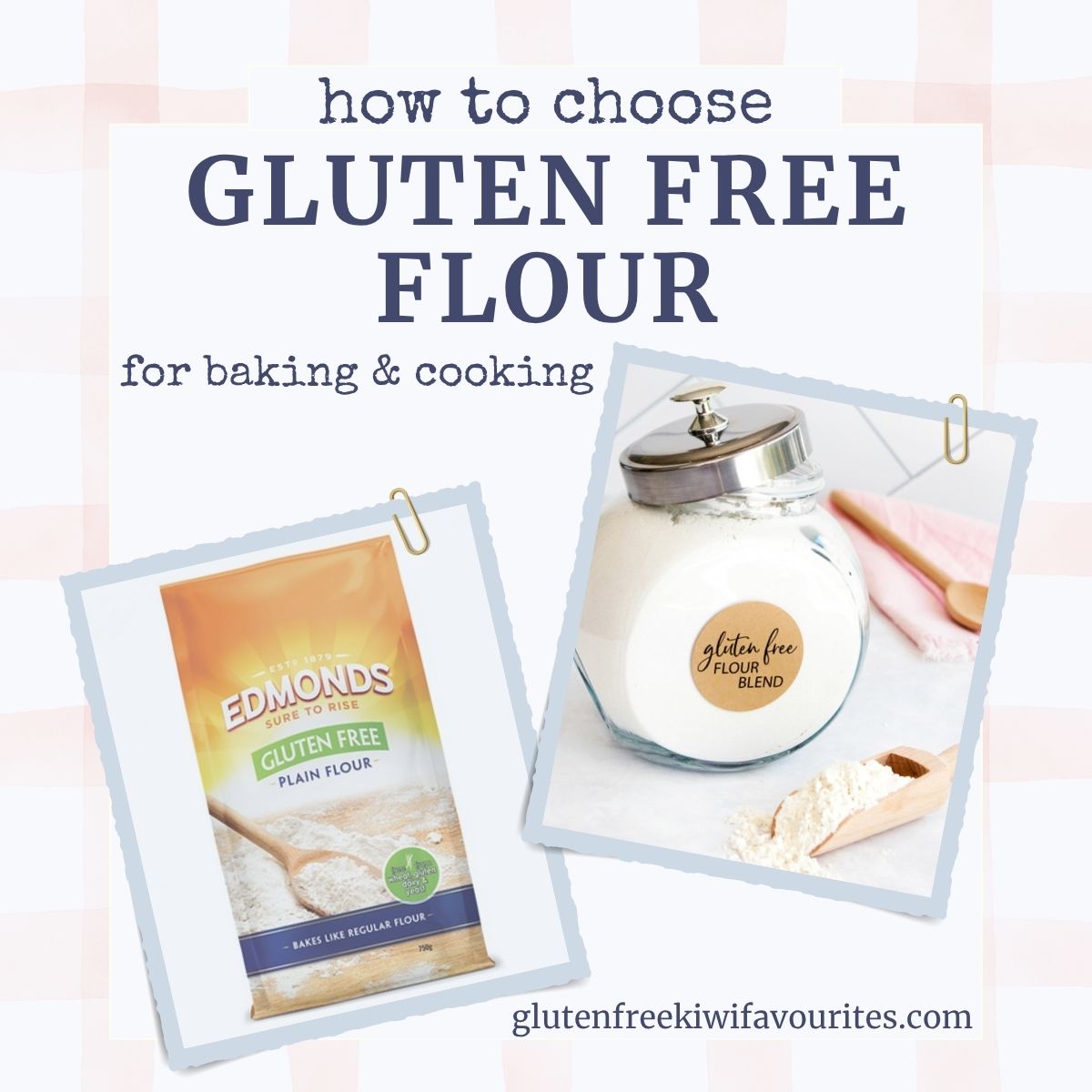
As I talk about a bit in my Quick Start Guide, there is no single gluten free flour that replaces wheat flour, which means you will need to choose a gluten free flour blend to use.
Gluten free flour blends combine several gluten free flours and/or starches to give you a blend that mimics wheat flour as much as possible. They often also include a gum ingredient or thickener, which helps to replace the gluten.
There are several options for flour blends, so let’s talk about them to help you choose which might work best for you in your kitchen.
I’ve also added some suggestions for flours to use when you’re cooking, for thickening sauces and coating meat and vegetables.
For Baking
Homemade Gluten Free Flour Blend
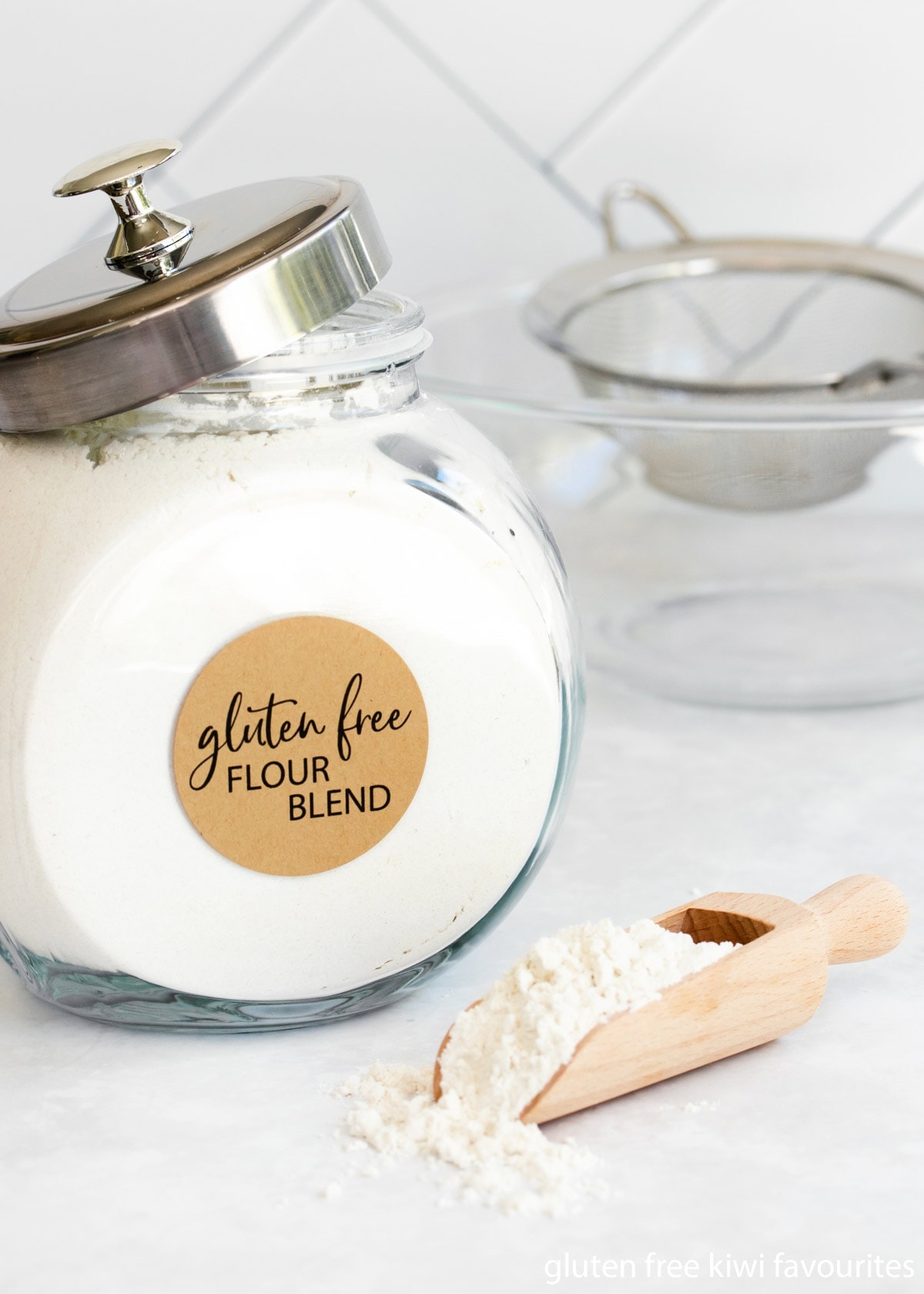
I will always be a little bit biased because my favourite homemade gluten-free flour blend is the one I have tweaked over the years to be perfect for almost all of my gluten-free baking recipes. It gives me results that are the closest to wheat flour in baking, for things like biscuits, slices, cakes and muffins.
There are lots of other homemade flour blend recipes available online, with different component flours and starches.
The thing to remember is that all gluten free flour blends absorb moisture differently, and the results will vary. So, where possible, I recommend using a gluten free flour that is recommended in the recipe you’re making.
For example, all of the recipes on this website work with my homemade flour blend, and I try to test them with at least one supermarket flour blend, and put notes in the recipe about how that worked and whether any alterations were needed.
One other thing I like about a homemade blend as opposed to a ready-made blend is that you can add xanthan gum separately to each recipe. Ready-made blends contain a gum ingredient already mixed in, so you can’t adjust the amount.
The downside of making a homemade blend is that you need to buy the separate component flours, some of which aren’t available in supermarkets, so you will need to pop into an organics shop or BinInn, or order them online.
Ready-Made Gluten Free Flour Blends
Ready-made all-purpose gluten free flour blends are very convenient, as you only have to buy one product.
They’re usually designed to be a 1:1 replacement for wheat flour in regular recipes, although I do find they still tend to be a bit hit and miss when used in regular recipes, and work better in actual gluten free recipes.
Some popular supermarket gluten free flour blends in New Zealand are Edmonds (available from most supermarkets), Pams (available from New World and Pak n’ Save) and FreeFrom Gluten (available from Woolworths and Fresh Choice). Those three also come in a self-raising version. There are also other blends available from organic shops and BinInn.
As I mentioned above, ready-made flour blends usually include at least one gum/binding ingredient.
As with homemade blends, ready-made blends all give slightly different results, depending on the specific ingredients they use.
Most ready-made blends are mostly made up of starches like corn and tapioca, making them better for lighter baked goods like biscuits, cakes and muffins. For making bread, you’re usually better off using a specialised bread flour blend (which we’ll talk about next).
The store-bought flour blend I prefer and use most often to test my recipes is the Edmonds gluten free plain flour.
Gluten Free Bread Flour Blends
Bread is one of the more difficult foods to make gluten free, which isn’t surprising given the major role gluten plays in making bread bread!
When baking gluten free bread, the flours involved become even more important, and so do the added ingredients like the gums we talked about above and other things like psyllium husk, which is a great ingredient for helping with that stretchy texture in bread.
If you’re making a gluten free bread recipe from a cookbook or website, they will usually tell you the specific flours to use, or recommend a flour blend that works best with the recipe.
My favourite flour blend for gluten free bread is The Alternative Bread Co. bread mixes, because the hard work of mixing the flours is already done, and there is a recipe right there on the bag. They also have other recipes using their flour blends on their website.
There are also bread mixes available from Lucy’s, who sell lovely ready-made bread as well.
For Cooking
Thickening Sauces
My preference for thickening gluten free sauces is to use cornflour (also known as cornstarch).
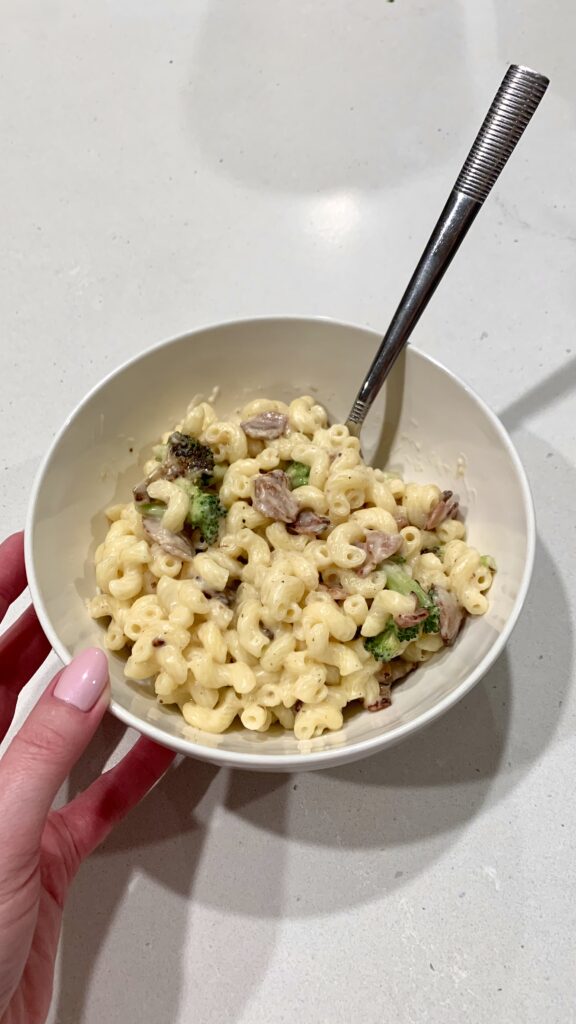
To thicken a sauce, mix 2-3 teaspoons of cornflour with roughly the same amount of water (or milk, if you’re making a milk-based sauce), then stir it into the sauce and cook for a couple of minutes until it thickens. You can also do this with tapioca starch, arrowroot or potato starch.
Many ready-made gluten-free flour blends also say they’re suitable for thickening sauces, but sometimes they can make sauces a little gummy due to the binders added for baking. So individual starches like cornflour do tend to work better.
Always make sure you are buying pure cornflour, which is gluten free, and not wheaten cornflour, which contains gluten. While wheaten cornflour is much less common in shops these days, it is still available, so it always pays to check.
I like Edmonds cornflour, which is labelled gluten free.
Dusting/Coating Meat, Fish and Vegetables
While you can use a ready-made or homemade flour blend to dust or coat food, I like to use brown rice flour (my favourite) or white rice flour. They’re less starchy, which means they give a crunchier coating on baked or fried food, and they make for a less slimy layer if you’re using them to dust meat before dipping it in egg and breadcrumbs.
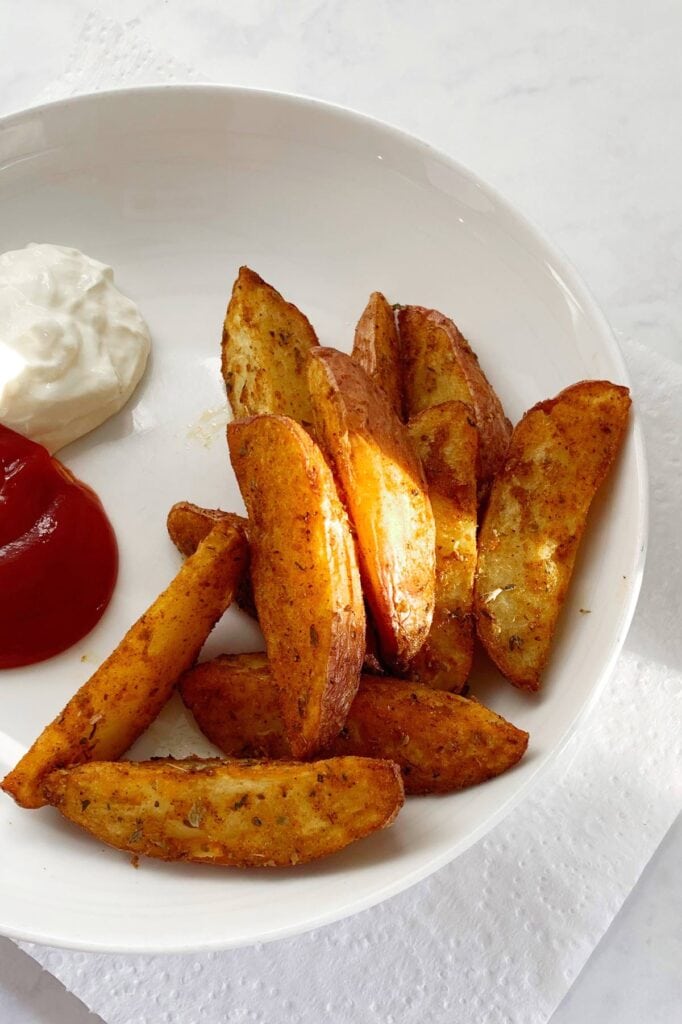
One of my favourite ways to cook potatoes is to cut them into chunks or wedges, stir them in a bowl with a splash of oil, then sprinkle over a mixture of brown rice flour and spices (my favourite for this is The Friendly Food Co. Cajun seasoning). I use about 2 tablespoons of flour to 1 tablespoon of seasoning, but you can adjust it to taste. Mix it all up well, and then roast on a tray or in the air fryer until cooked and crunchy.
I hope this has helped you narrow down which gluten free flours you might need in your kitchen. As always, if you have any questions, feel free to ask them in the comments 💜
Are you new to gluten-free baking?
Or just need some tips on how to make the most of the recipes on GFKF? Check out my start guide to learn how to bake safely and successfully gluten free.
Allergen safety ✔️ Gluten free flour info ✔️
Accurate measuring ✔️ Tools + Equipment ✔️